Search by 
standaniels / image-generator

A package to generate random images.
1.2.0
2026-08-17 08:42 UTC
Requires
- php: ^7.3|^8.0
- ext-exif: *
- ext-gd: *
Requires (Dev)
- mockery/mockery: ^1.0
- phpunit/phpunit: ^11.0
Suggests
None
Provides
None
Conflicts
None
Replaces
None
This package is auto-updated.
Last update: 2026-10-23 12:10:57 UTC
README
This package makes generating images easy. Use them for placeholders without being dependent on some external service.
use StanDaniels\ImageGenerator\Canvas;
use StanDaniels\ImageGenerator\Color;
use StanDaniels\ImageGenerator\Image;
use StanDaniels\ImageGenerator\Shape\Shape;

$transparency = random_int(60, 80) / 100;
$canvas = Canvas::create(400, 400, 2)
    ->background(Color::random($transparency));

for ($i = random_int(100, 150); $i > 0; $i--) {
    $transparency = random_int(60, 80) / 100;
    Shape::random($canvas, Color::random($transparency))->draw();
}

// By default, the image is stored in the directory used for temporary files
$image = Image::create($canvas);
Of which this could be the output:

Using color palettes
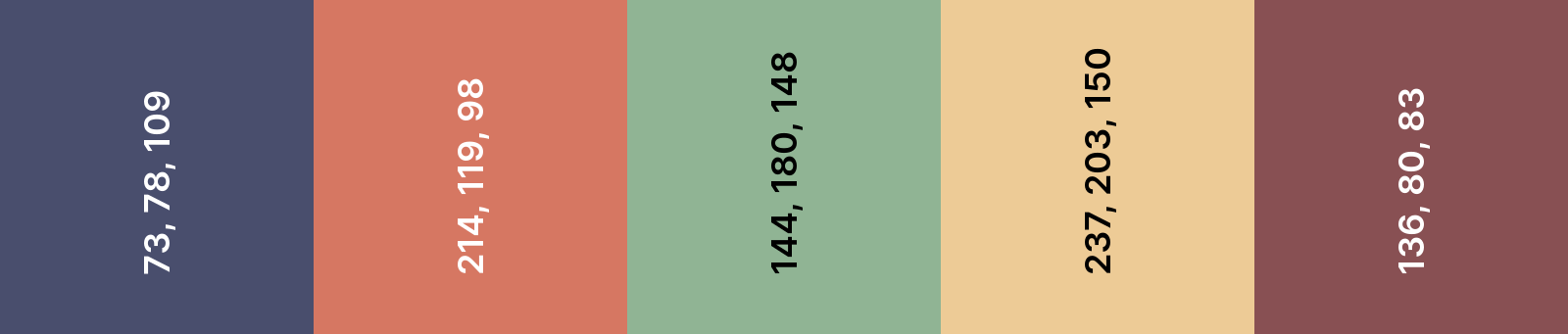
If you would like to generate an image based on a given set of colors like the one below, you can do it like this.
use StanDaniels\ImageGenerator\Canvas;
use StanDaniels\ImageGenerator\Color;
use StanDaniels\ImageGenerator\Image;
use StanDaniels\ImageGenerator\Shape\Shape;

$colors = [
    new Color(73, 78, 109),
    new Color(214, 119, 98),
    new Color(144, 180, 148),
    new Color(237, 203, 150),
    new Color(136, 80, 83),
];

$canvas = Canvas::create(400, 400, 2)
    ->background(new Color(34, 36, 50));

for ($i = random_int(50, 100); $i > 0; $i--) {
    $color = clone $colors[random_int(0, count($colors) - 1)];
    $color->setAlpha(random_int(50, 60) / 100);
    Shape::random($canvas, $color)->draw();
}

$image = Image::create($canvas);
The output would be something like this:

Installation
You can install the package via composer:
composer require standaniels/image-generator
License
The MIT License (MIT). Please see License File for more information.